00 · The catalogue
One genre, its sub-styles, one studio.
A music is not a keyword. Every genre splits into families its own players tell apart within two bars, and that a model trained on everything at once runs together. Our studios name them, one by one.
The sub-styles below are the ones a studio genuinely tells apart: they drive the rhythmic signature, the instrumentation and the tempo asked of the model. They are not search tags.
01
RumbaMi
Kinshasa · DR Congo
Congolese rumba
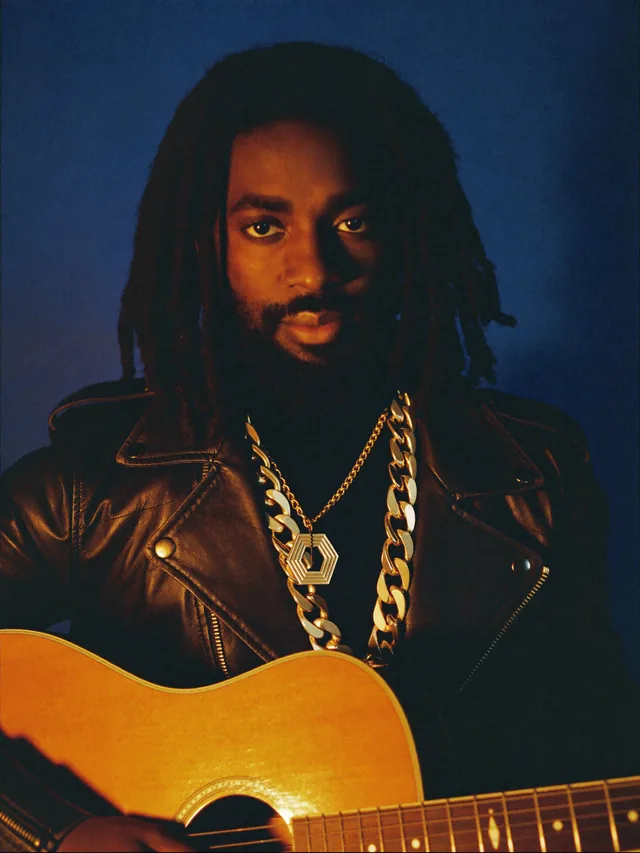
A family of musics built on two guitars answering each other, then tipping into the sébène. That tip happens on a precise bar — and it is exactly what a general-purpose model misses.
Sub-styles covered
- classic rumba
- sébène
- ndombolo
- mutuashi
- soukous
- cavacha
- kwassa-kwassa
02
KompaMi
Port-au-Prince · Haiti
Kompa
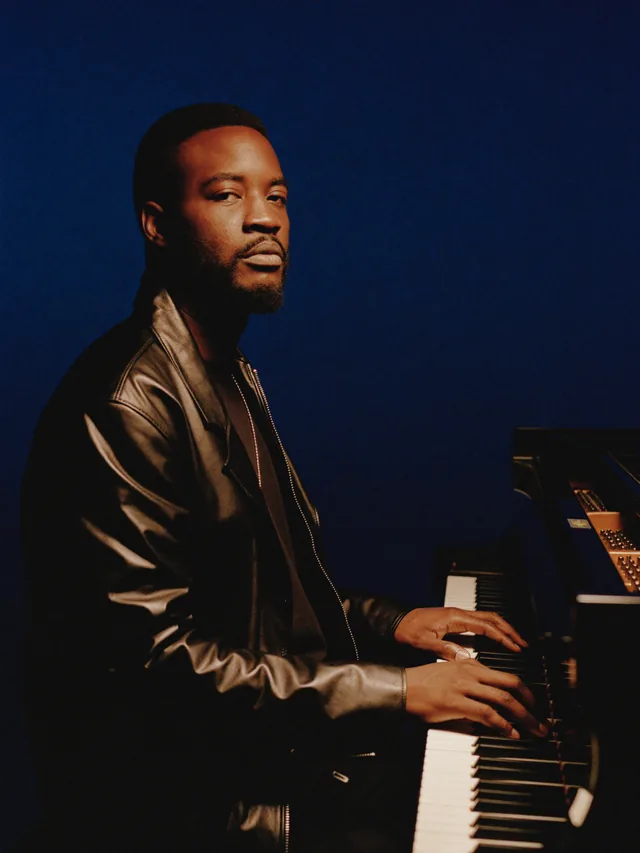
A bass-and-drum footing you recognise instantly, from the straightest kompa dirèk to the drums of mizik rasin. What separates them is how the tempo is held and where the horns sit.
Sub-styles covered
- kompa dirèk
- kompa love
- rabòday
- mizik rasin
03
AmapianoMI
Johannesburg · South Africa
Amapiano
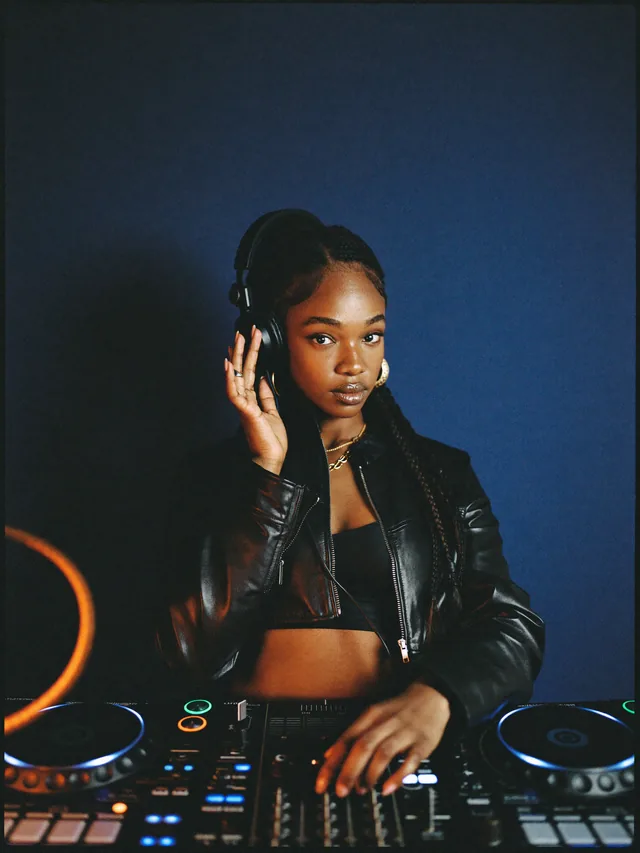
The log drum and the breath of the pads carry the whole thing. Between private school and sgija the tempo barely moves — the density and the placement do.
Sub-styles covered
- amapiano classic
- private school
- bacardi
- sgija
- soulful
04
AfrobeatMi
Lagos · Nigeria
Afrobeat
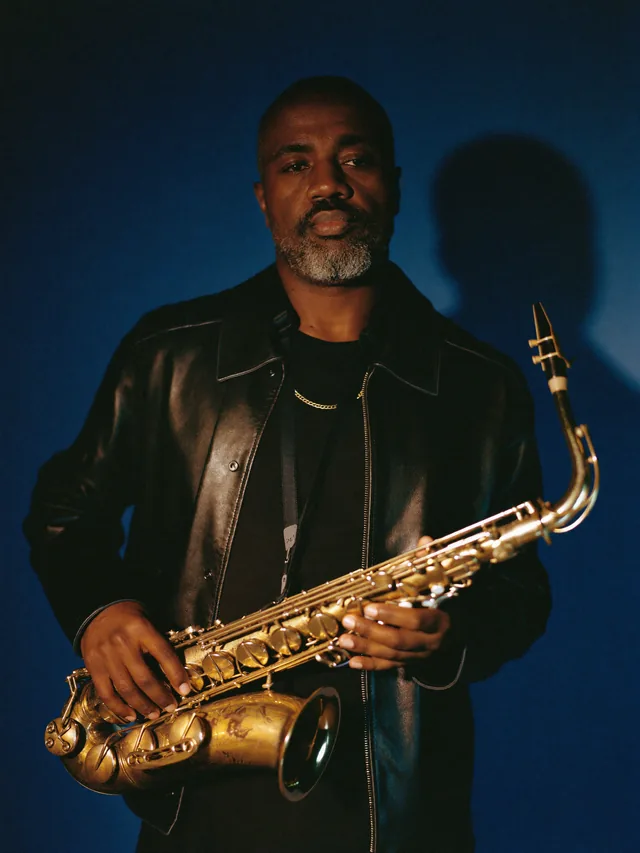
Two families people keep confusing: the afrobeat of horn sections, and the afrobeats on today's radio. Treat them as one genre and you produce something that is neither.
Sub-styles covered
- classic afrobeat
- modern afrobeats
- afro-fusion
- highlife
- naija-pop
- fuji
05
The same moves everywhere
What does not change from one studio to the next.
The moves are the same — it is the music that changes. Reckon on two minutes between asking and listening.
01
Create
A full track from a description, a sub-style and a tempo.
02
Remix
An existing track taken into another sub-style, without losing its melody.
03
Extend
A track carried further: an intro, a bridge, the sébène that was missing.
04
Lyrics
Words written in the language and the register of the genre — not a translation.
05
Stems
Vocals, bass, drums, the rest: four separate tracks pulled out of the mix.
06
A genre missing from this list? The architecture does not treat that as a special case: opening a studio is one of our services.